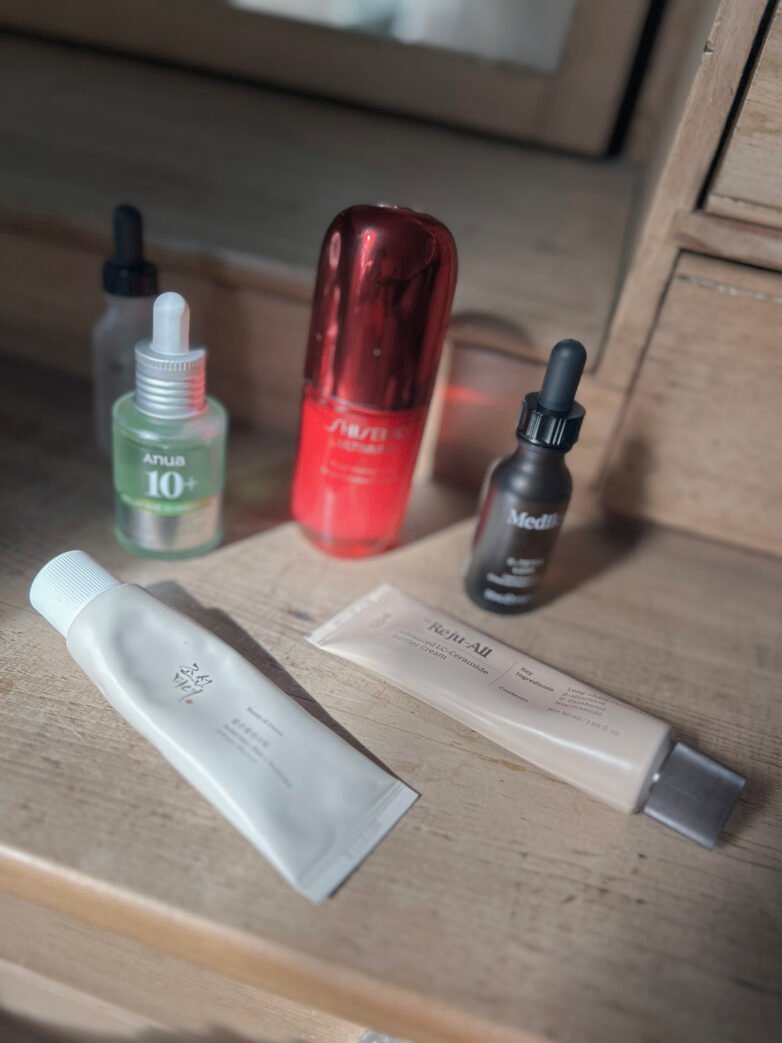
Salmon DNA. Polynucleotides. PDRN. K-beauty and the wider skincare world are obsessed with them right now, and for good reason. In a clinical setting, PDRN has a genuinely impressive track record. The problem is that the injectable treatment your aesthetician uses and the serum sitting on your bathroom shelf have very little in common. Here’s what’s actually going on.
What PDRN actually is
PDRN stands for polydeoxyribonucleotide, which is essentially a fragment of salmon DNA. When administered in a clinic via injection, skin boosters, or mesotherapy, it works by stimulating tissue regeneration, activating growth factors, and supporting the skin’s own repair mechanisms at a cellular level. The results are well-documented in peer-reviewed literature. The key word, though, is injected.
The 500 Dalton rule
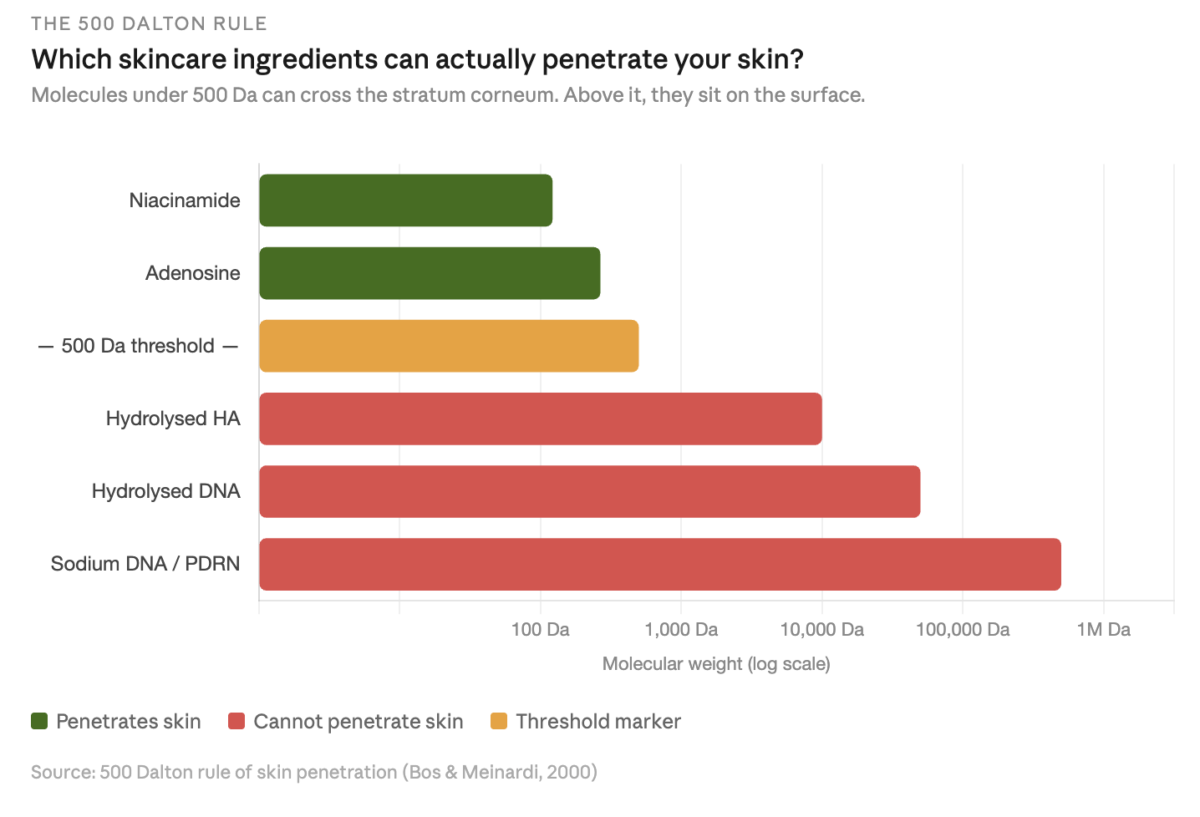
To understand why topical PDRN is a problem, you need to know about the 500 Dalton rule. It’s a widely accepted principle in dermatology: molecules need to be under 500 Da in molecular weight to penetrate the stratum corneum, the outermost layer of the skin. Think of it as the skin’s bouncer. Anything too big simply doesn’t get through. There’s a whole article about this here – Does Your Skincare Actually Penetrate? The 500 Daltons Rule
PDRN sits at hundreds of thousands to potentially millions of Daltons. Intact sodium DNA, which is what several of these products actually list in their ingredients, is even higher. It cannot cross the skin barrier when applied topically. Not without a delivery mechanism that bypasses it entirely.
Here’s the thing about PDRN skincare: the trend has pushed brands to create some of the most sophisticated barrier and hydration formulas available right now. The DNA might not be doing what it claims, but the products it’s travelling in? Often genuinely brilliant. Consider it a happy accident of good marketing.
-Claire
Six PDRN products, Six verdicts
I looked at the full ingredient lists of six popular PDRN-branded products. Here’s what the science actually says.
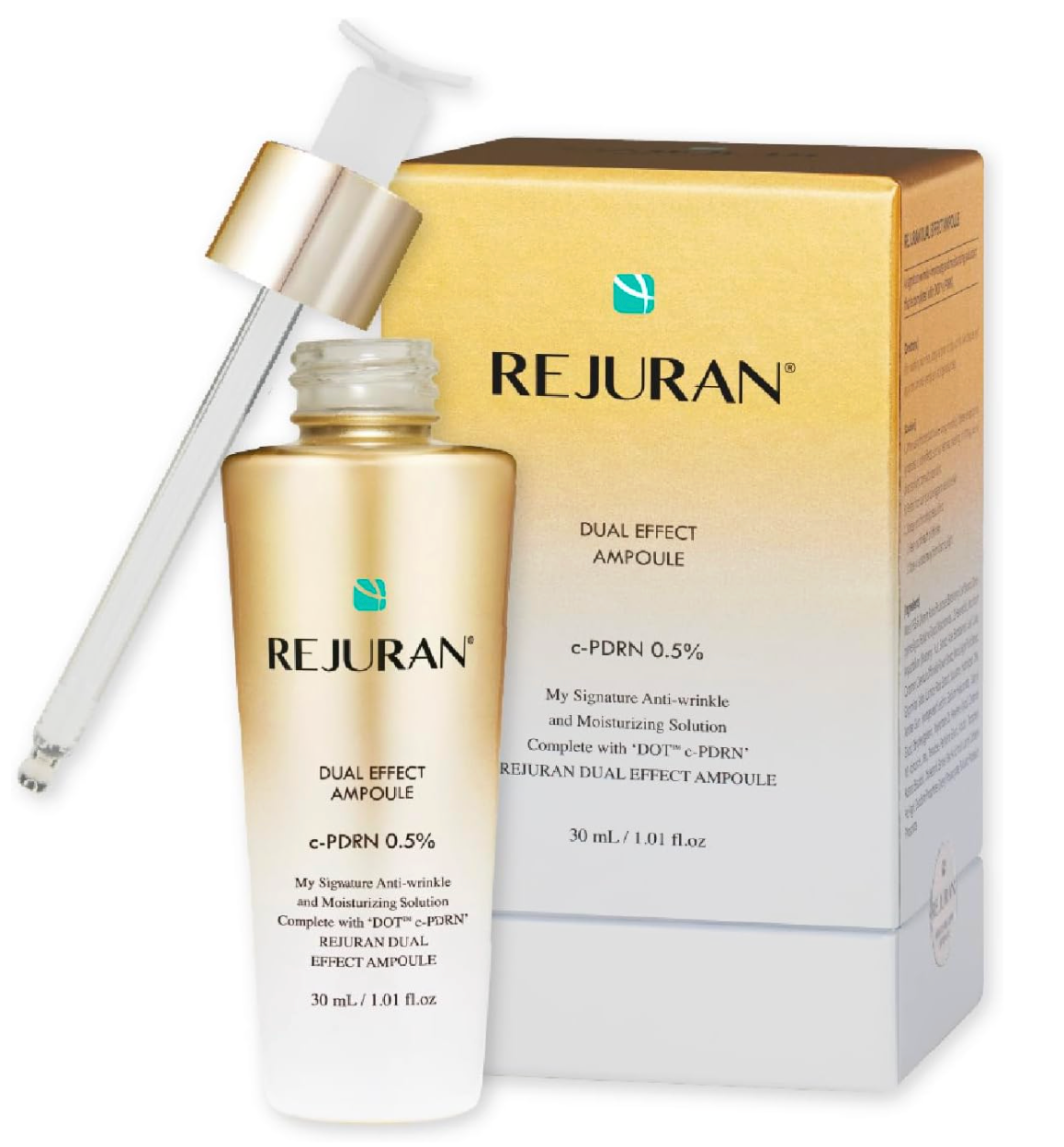
The Rejuran Dual Effect Ampoule lists hydrolysed DNA rather than intact PDRN or sodium DNA. This is a meaningful distinction. Hydrolysed DNA has been broken down into smaller nucleotide fragments, bringing it closer (though still far above) the 500 Da threshold. It’s a more honest formulation than the marketing implies, and the supporting cast of actives is genuinely solid: niacinamide (122 Da, proven for brightening and barrier support), arbutin (272 Da, a well-evidenced brightening active), adenosine (267 Da, a legitimate anti-wrinkle ingredient), ceramide NP with cholesterol and oleic acid for barrier repair, squalane, and urea. Strip out the PDRN marketing and you have a decent brightening and barrier serum.
See Product Here
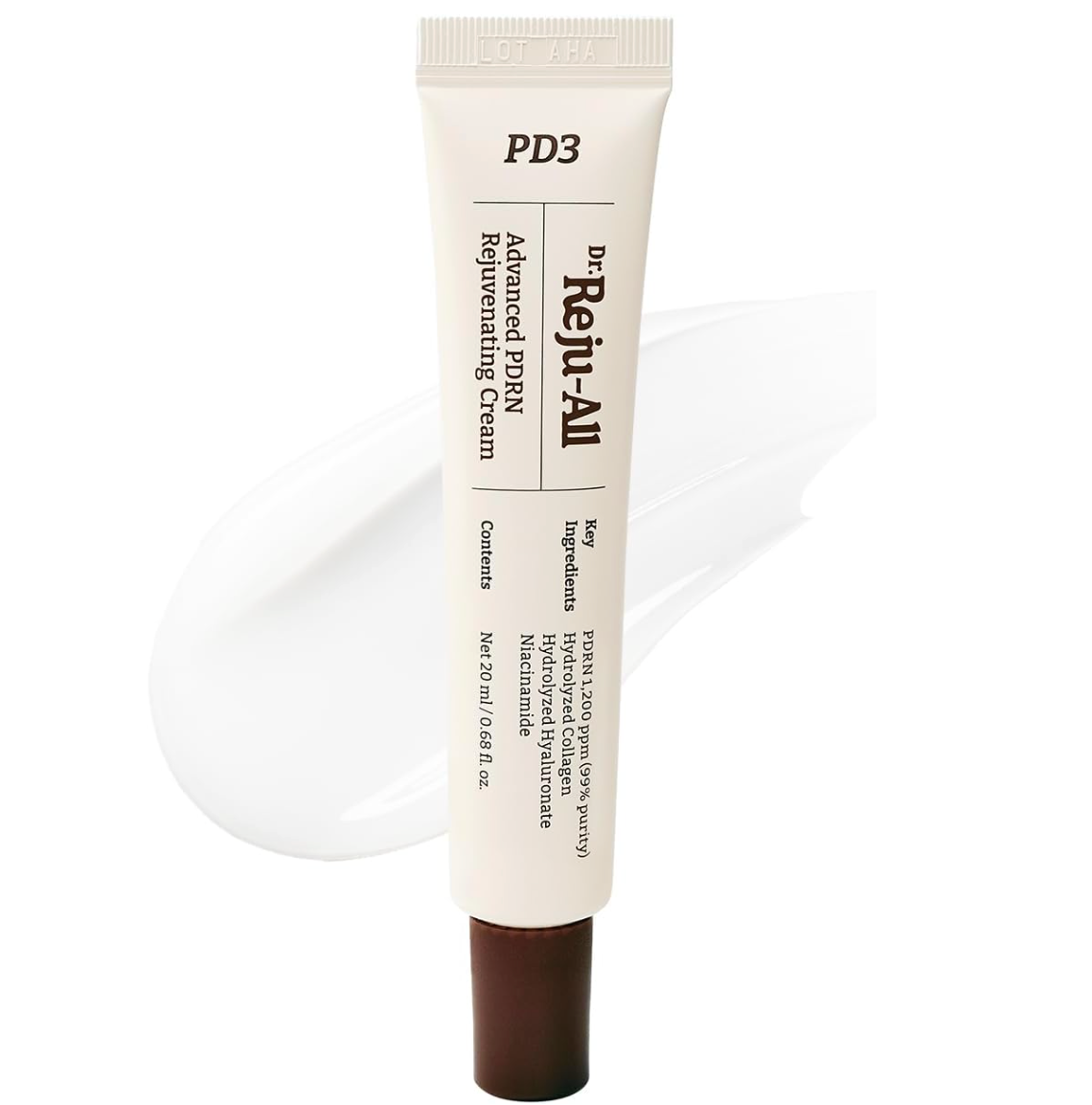
The Dr.Reju-All Advanced PDRN Rejuvenating Cream lists sodium DNA, which is intact DNA in its salt form. This is the furthest from clinical PDRN of the first three and the least justifiable use of the term. The formula itself is a reasonable moisturiser, with panthenol (a genuinely excellent barrier-repairing ingredient often overlooked), allantoin, adenosine, and niacinamide doing the useful work. The dimethicone provides good occlusion for locking in moisture. But the PDRN claim is the weakest of the three products, and the active lineup is the thinnest.
See Product Here
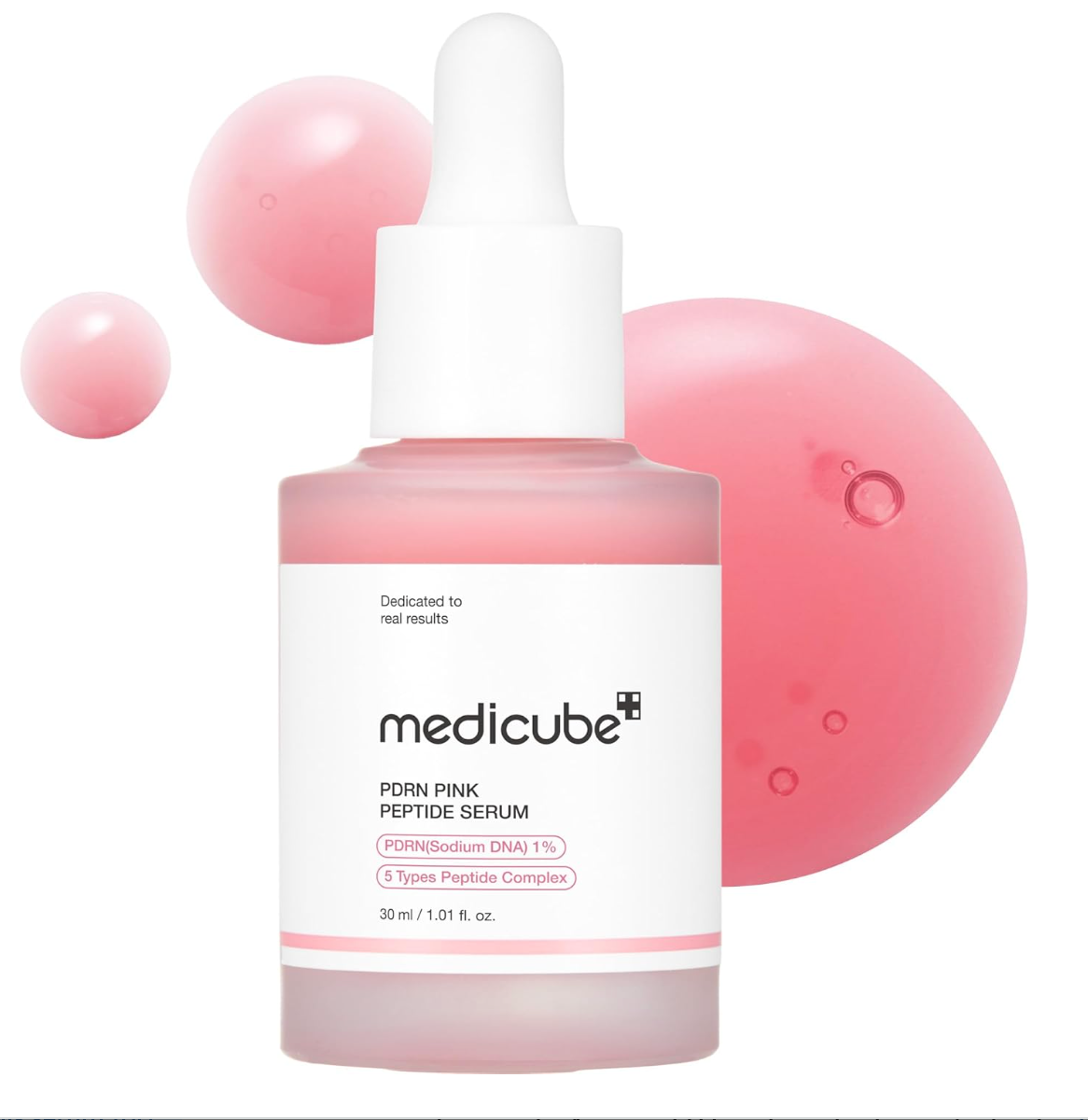
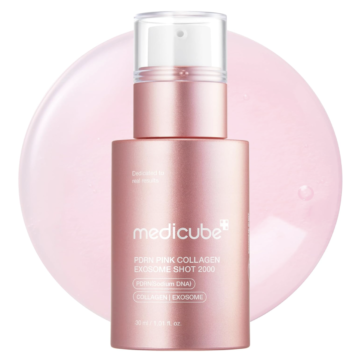
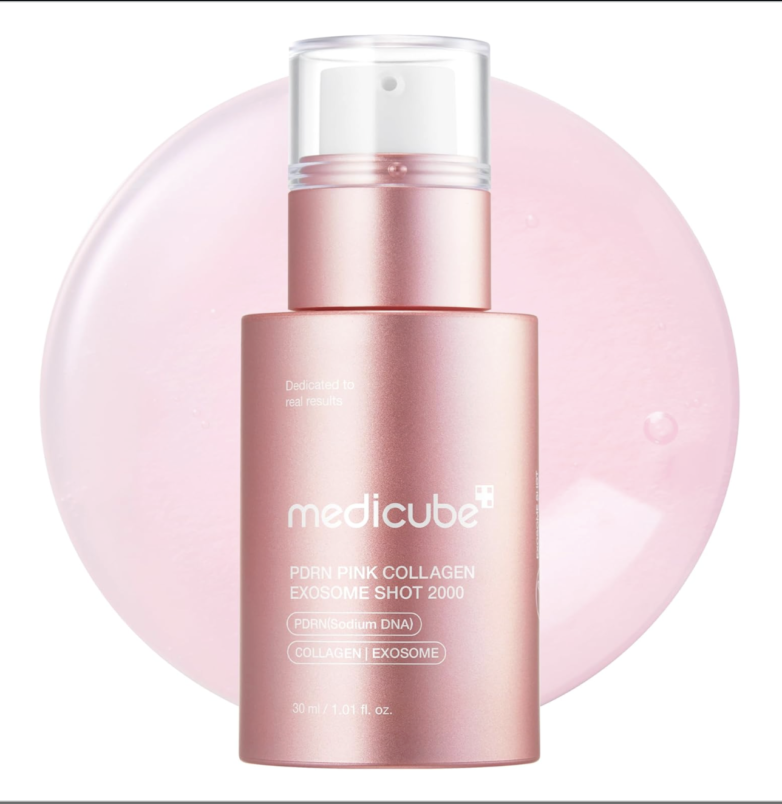
The Medicube PDRN Pink Peptide Serum also lists sodium DNA, low on the ingredient list, so the PDRN branding is doing the heaviest lifting here in terms of marketing versus reality. However, this is arguably the most interesting formula of the first three, and the reason has nothing to do with DNA. The palmitoyl peptide complex at the bottom of the INCI list, comprising Palmitoyl Tripeptide-1, Palmitoyl Tetrapeptide-7, and Palmitoyl Pentapeptide-4, is the Matrixyl family: among the best-evidenced cosmetic peptides available, with the palmitoyl chain aiding skin penetration by making the molecules more lipophilic. Copper Tripeptide-1 is also present at around 340 Da, passing the 500 Da rule and carrying genuine evidence for collagen support. This formula earns its anti-ageing credentials, just not through the ingredient it’s named after.
One note for sensitive skin types: the Medicube serum lists fragrance mid-way through the INCI, which suggests a meaningful concentration. If your skin is reactive or barrier-compromised, that’s worth factoring in before purchasing.
See Product Here
Anua enters the conversation with two products that share a near-identical botanical complex, which tells you something about how the range is built. Both the PDRN Hyaluronic Acid 100 Moisturising Cream and the PDRN Hyaluronic Acid Capsule 100 Serum use sodium DNA, placing them in the same category as the Dr.Reju and Medicube formulas we looked at earlier: intact DNA in its salt form, enormous molecular weight, no realistic topical penetration. The PDRN claim is marketing in both cases.
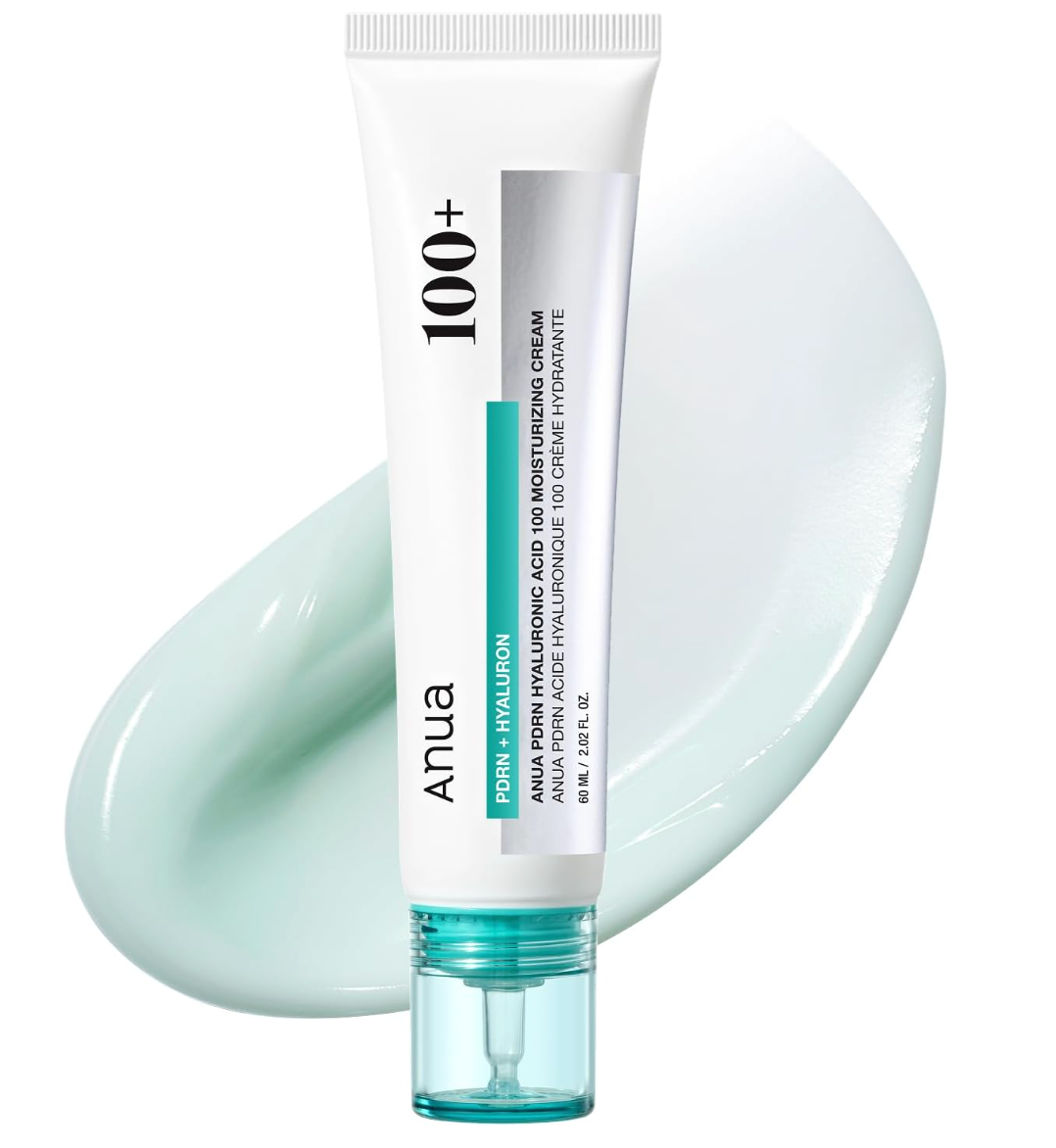
What’s more interesting is what Anua has done around the DNA. The moisturiser contains an exceptional hyaluronic acid complex: not just standard sodium hyaluronate, but hydrolysed hyaluronic acid, hydrolysed sodium hyaluronate, hydroxypropyltrimonium hyaluronate, potassium hyaluronate, sodium hyaluronate crosspolymer, dimethylsulfonyl hyaluronate, and sodium acetylated hyaluronate. That’s seven distinct forms of HA, each with different molecular weights and skin-affinity properties, working at different layers. Sodium acetylated hyaluronate in particular has better lipophilicity than standard HA, giving it improved penetration. The centella asiatica complex, including madecassoside and asiatoside, adds genuine soothing and barrier-repair credentials. Squalane sits high on the list. This is a well-formulated moisturiser. It’s just not doing what the name says.
See Product Here
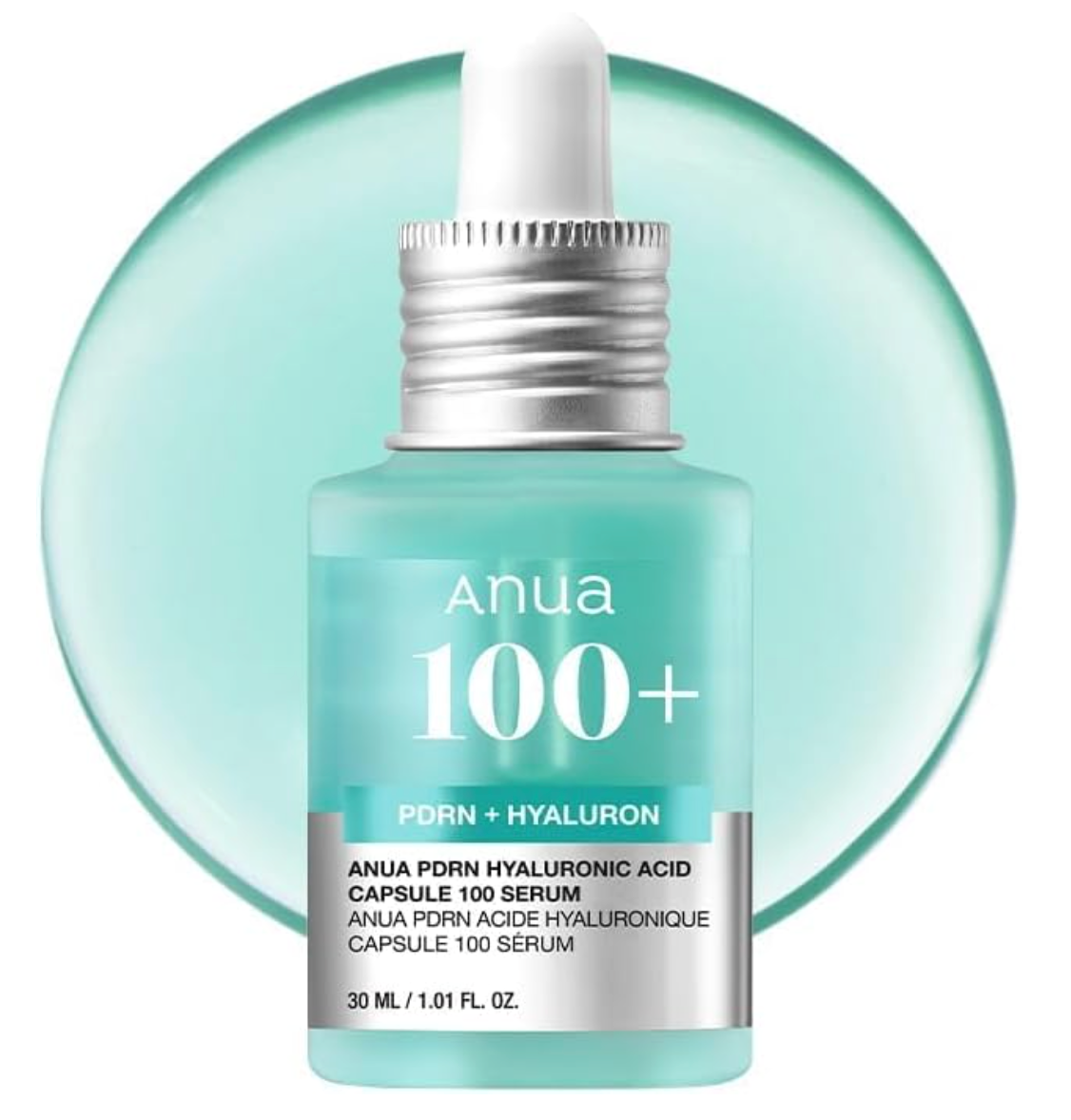
The serum counterpart is lighter in texture, as you’d expect from the position of emollients in the formula, but shares the multi-weight HA approach. The notable addition here is glutathione, an antioxidant and brightening agent that has been gaining traction in research. At around 307 Da it technically passes the 500 Da rule, making it one of the more interesting inclusions across all six products we’ve examined. Hydrogenated lecithin also appears, which functions as a phospholipid emulsifier and has some evidence for improving the skin penetration of other ingredients. The Anua serum is probably the most coherent formula in terms of layering complementary HA forms with a genuine active, even if the headline ingredient remains smoke and mirrors.
See Product Here
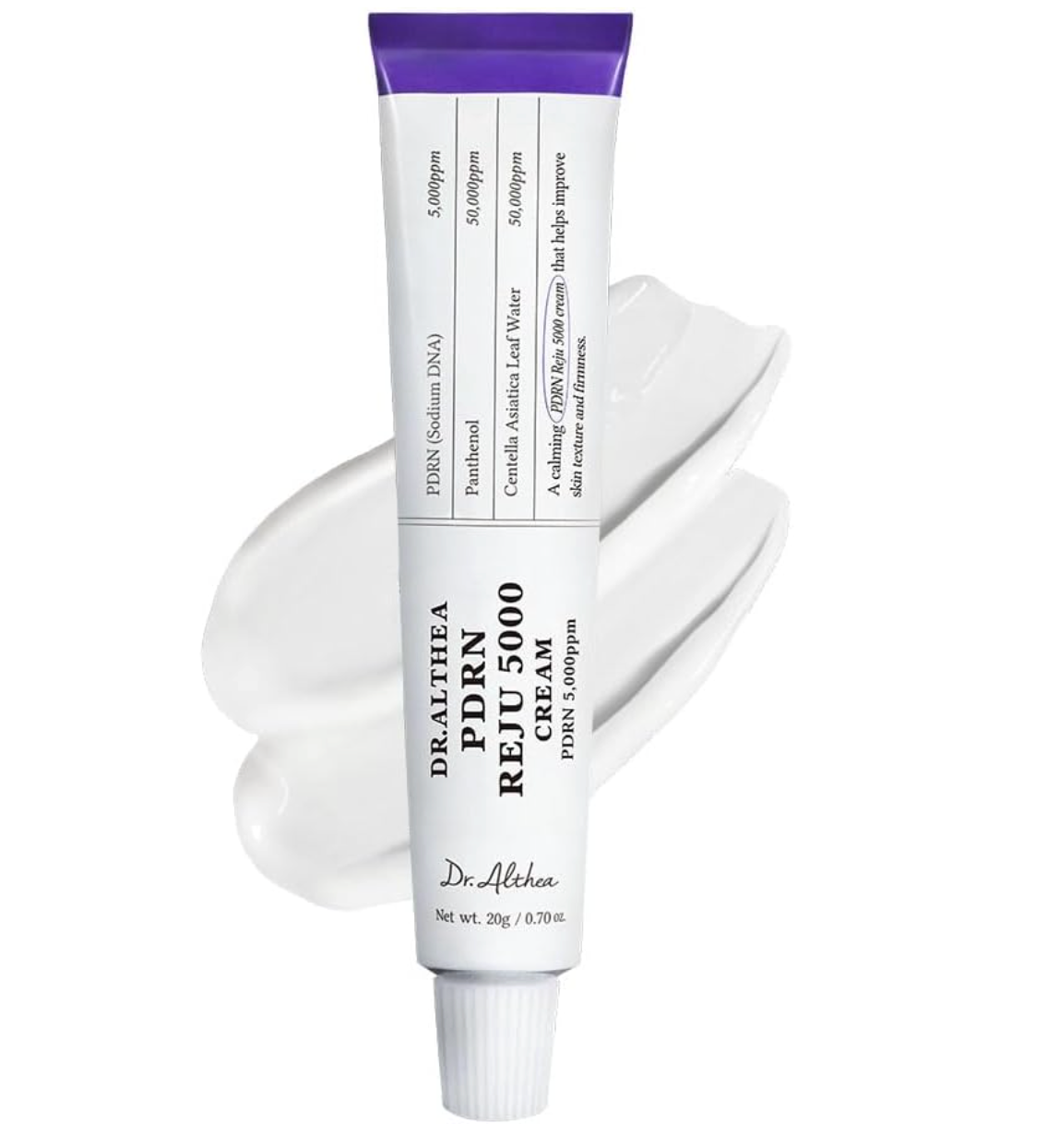
The Dr. Althea PDRN Reju 5000 Cream takes a different approach to the texture question. Where the Anua products lean into humectants and HA, Dr. Althea builds a richer, more occlusive base using vinyl dimethicone, dimethiconol, and caprylyl methicone alongside dicaprylyl ether and dicaprylyl carbonate as elegant emollients. This is a cream designed for dry or barrier-compromised skin first, hydration second. The centella asiatica leaf water leading the formula (second ingredient) rather than plain water is a nice touch, adding soothing actives from the base up. Panthenol appears early and at what looks like a meaningful concentration. The formula also contains SH-Oligopeptide-1, which is epidermal growth factor (EGF), a peptide that sits around 6,200 Da and therefore cannot penetrate the stratum corneum topically, but which may have some surface signalling activity. Sodium DNA appears low on the list, as with the others. Beta-sitosterol is a plant sterol with good anti-inflammatory and barrier-supporting evidence, and is a genuinely interesting addition not seen in the other five products.
See Product Here
What should you look for instead?
All six products contain genuinely effective actives that do penetrate the skin and have solid evidence behind them. The PDRN is largely a passenger. Niacinamide at 122 Da is well within range and well-evidenced for brightening, pore appearance, and barrier support. Adenosine at 267 Da is a legitimate anti-wrinkle active with peer-reviewed backing. Copper Tripeptide-1 at around 340 Da passes the 500 Da rule and has real evidence for collagen support. The Matrixyl peptide family, with its palmitoyl penetration-aiding chain, has some of the strongest cosmetic peptide research behind it of any ingredient on the market. These are the ingredients worth paying attention to.
If you want real PDRN results
I’m sorry to have to say this, but you have to go to a clinic. Rejuran Healer, as an injectable skin booster, PDRN mesotherapy, or needled-in treatment, will deliver what the marketing on these serums implies. The topical versions are fine skincare products, some more so than others, but they are not doing what the name suggests.
The bottom line across all six products is the same: no topical PDRN serum or cream currently on the consumer market can deliver clinical-grade PDRN results through intact skin. PDRN molecules face a combination of barriers: they are far too large (50 to 1,500 base pairs), too hydrophilic to pass through the skin’s lipid-rich barrier, and prone to degrading on the skin surface before penetration is even attempted. There is genuinely promising research emerging on delivery workarounds.
Plasma treatment of PDRN has been shown in peer-reviewed studies to reduce its molecular size and neutralise its surface charge, significantly improving cellular uptake and migration activity, but this technology is not yet present in any of the consumer products examined here.
Separately, low-molecular-weight PDRN derived from plant sources such as Paeonia lactiflora has shown meaningful results in clinical trials for barrier repair and periorbital elasticity when applied topically, suggesting the field is moving in an interesting direction.
For now, though, what separates a good PDRN product from a cynical one is the quality of the ingredients that sit alongside the DNA claim.
Anua wins on HA complexity and the inclusion of glutathione as a genuinely penetrable brightening active.
Dr. Althea wins on texture and barrier-repair credentials for drier skin.
Medicube has the strongest peptide science.
Rejuran has the most well-rounded brightening lineup.
If you want actual PDRN activity, book a skin booster. If you want a good skincare product, read past the marketing name and look at the full INCI.