We throw around a lot of sciencey terms in skincare, and honestly, most of it doesn’t make a blind bit of difference to what’s actually sitting on your face. But the 500 Dalton rule? This one actually matters.
Here’s the thing: just because an ingredient sounds brilliant doesn’t mean your skin can actually use it. And that’s where molecular weight comes in.
What are Daltons anyway?
A Dalton is simply a unit of measurement for molecular weight, the size of a molecule. The 500 Dalton threshold is basically skincare’s most important rule. Molecules smaller than 500 Daltons can (potentially) penetrate your skin barrier and work from within. Molecules larger than that? They sit on the surface and can hydrate or soothe, but they won’t get deep into the dermis where the real action happens.
It sounds small, but it’s massive for understanding what actually works.
Your skin barrier isn’t being difficult. Size matters, and 500 Daltons is the cutoff that decides what gets through.
-Claire
Why your skin barrier is basically a bouncer
Your stratum corneum, the outermost layer of your skin, acts like a selective door policy. It’s there to protect you, which is great, but it’s also pretty fussy about what gets through. Those big molecules just don’t fit.
This is why hyaluronic acid at different weights behaves so differently. Low molecular weight HA (under 500 Daltons) can theoretically penetrate and hydrate from within. High molecular weight HA sits on top and plumps the surface. Both work, but in completely different ways.
What this means for the ingredients you actually use
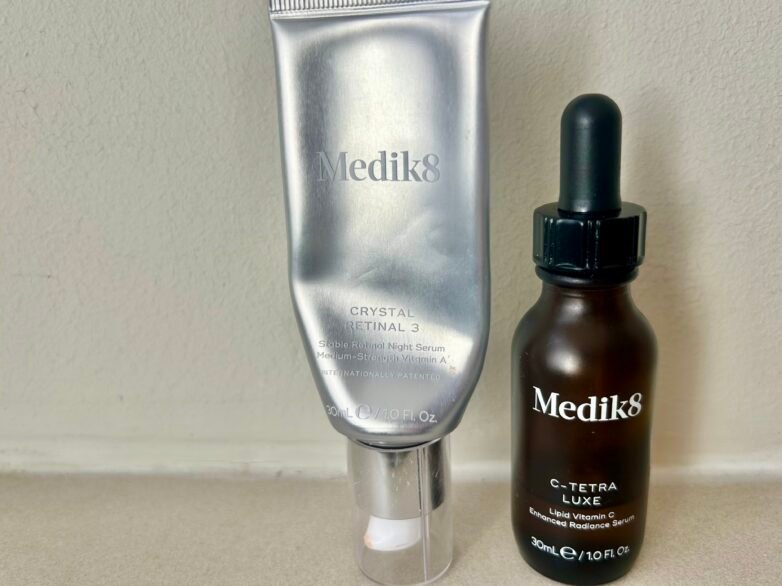
Retinol? Around 286 Daltons. Gets through. That’s why it works so well and why it can be irritating for some people.
Vitamin C (ascorbic acid)? About 176 Daltons. Small enough to penetrate, which is why stabilised vitamin C serums matter so much.
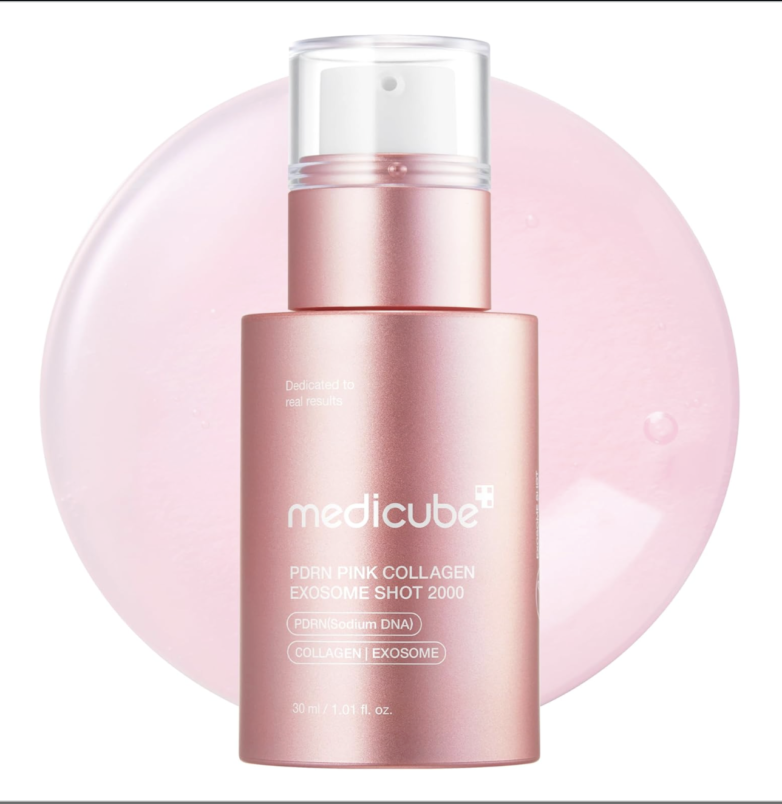
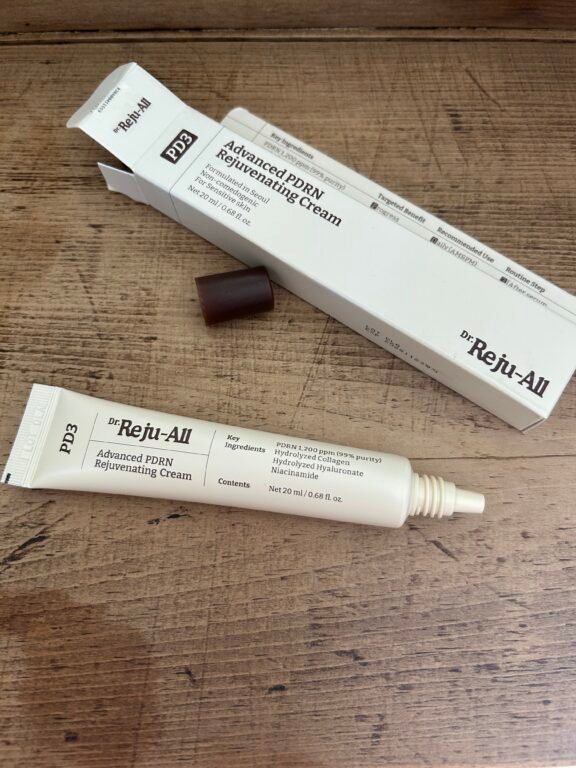
Peptides? It depends. Small peptides are under 500 Daltons. Larger ones are above it. This is why you see peptide-heavy serums marketed differently than others.
The Ordinary Matrixyl 10% is around 832 Daltons. It’s too large to penetrate, so it works as a hydrating and nourishing surface treatment. Still brilliant, just different.
The honest bit
Understanding molecular weight won’t change how you use your products tomorrow. But it will stop you feeling like a mug when someone’s promising you that a £200 serum with massive molecular weight will somehow transform your skin from the inside out. It won’t.
It also explains why some actives feel more effective at certain percentages and formulations. Delivery matters. Penetration matters. Size matters.
Next time you’re researching an ingredient you’re curious about, check the molecular weight. If it’s under 500 Daltons, you know it’s got the potential to work at a deeper level. If it’s above, enjoy it for what it is: surface-level support.
Your skin barrier isn’t being difficult. It’s just being very good at its job.